Imaging is Evolving to Meet Compliance Demands in QC Labs
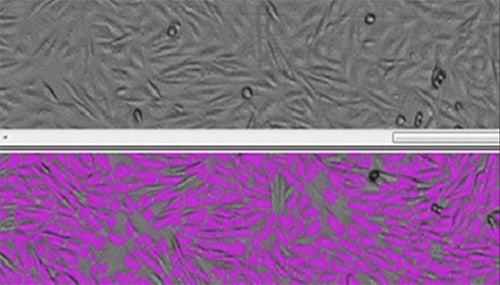
In Labcompare, Tim Bolus, Software Product Manager at Molecular Devices, examines how imaging technologies are adapting to meet validation, data integrity, and audit trail requirements in regulated quality control environments.
Key Insights
- Imaging is increasingly used in GMP quality control labs, creating new compliance considerations as workflows extend beyond traditional electronic data systems.
- Established regulations such as FDA 21 CFR Part 11 and EU Annex 11 continue to apply, while emerging guidance is beginning to address AI‑driven imaging and analysis.
- Instrument validation, fragmented workflows, and algorithm reproducibility remain significant barriers to compliant imaging adoption in QC.
- Integrated, validated systems can help reduce audit‑trail gaps and improve consistency in cell‑based potency assays.
Summary
As imaging and cell‑based assays become more central to pharmaceutical quality control, laboratories face growing pressure to ensure these workflows meet GMP compliance requirements. In the Labcompare article “Imaging is Evolving to Meet Compliance Demands in QC Labs,” Tim Bolus of Molecular Devices discusses how traditional data integrity frameworks must now extend to imaging systems used in QC decision‑making.
The article highlights how non‑validated instruments, manual workflow handoffs, and variable image‑analysis algorithms can introduce risk by compromising traceability and reproducibility. Bolus emphasizes the importance of selecting imaging solutions designed for regulated environments, integrating workflows to minimize data transfer points, and approaching validation as both a technical and business decision as QC labs prepare for increased automation and AI adoption.
Read the Full Article
This summary is based on insights from Molecular Devices’ Tim Bolus, as featured in the Labcompare article, “Imaging is Evolving to Meet Compliance Demands in QC Labs.”