Beating Cardiac Organoids Offer a Platform for Drug Screening
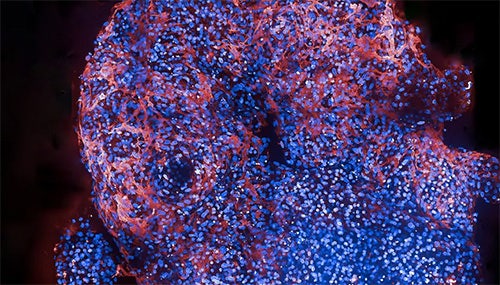
Nikki Carter, Commercial Organoid Innovation Director at Molecular Devices, highlights the growing impact of cardiac organoids as physiologically relevant models for drug discovery and safety assessment. This feature article in The Scientist demonstrates how beating cardiac organoids can mimic key aspects of human heart function, offering scientists a powerful platform to evaluate drug efficacy and potential cardiotoxicity earlier in the development process.
Key Insights
- Cardiac organoids provide a more biologically relevant model than traditional cell cultures, enabling researchers to better study human heart physiology and disease.
- The spontaneous beating behavior of these organoids allows scientists to assess how drug candidates affect cardiac function, rhythm, and overall tissue health.
- Advanced organoid platforms can support earlier identification of safety concerns, helping improve confidence in preclinical screening and potentially reducing late-stage drug development risks.
- As organoid technologies continue to mature, they are expanding researchers' ability to generate data that more closely reflects human biology, supporting more informed drug discovery decisions.
Summary
In The Scientist article, researchers describe the development and application of beating cardiac organoids as a promising tool for drug screening. These miniature, three-dimensional heart models replicate important characteristics of cardiac tissue, including coordinated contractions and cellular interactions that are difficult to capture in conventional in vitro systems.
The article explores how scientists are leveraging these models to evaluate the effects of drug candidates on heart function, offering a more predictive approach to identifying efficacy and safety signals.
As Nikki Carter notes, organoid-based systems are becoming increasingly valuable for researchers seeking physiologically relevant models that bridge the gap between traditional cell culture and in vivo studies. By providing deeper insight into drug responses and potential adverse effects, cardiac organoids have the potential to strengthen drug discovery workflows and accelerate the development of safer, more effective therapies.
Read the Full Article
This summary is based on "Beating Cardiac Organoids Offer a Platform for Drug Screening" as published in The Scientist.