How Automation and AI Are Reshaping Human Relevant Drug Discovery
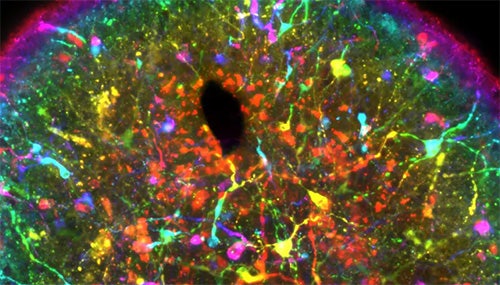
In The Scientist, Dr. Vicky Marsh Durban, PhD, Director of Human Relevant Models at Molecular Devices, explores how organoids—combined with automation and artificial intelligence—are transforming preclinical research. By enabling more predictive, scalable, and reproducible human-relevant models, these technologies are helping researchers move beyond the limitations of traditional 2D cell cultures and animal testing, with implications for drug discovery, translational science, and personalized medicine.
Key insights
- Organoids provide more biologically relevant models of human tissue than conventional 2D cultures or animal models, improving the ability to predict clinical outcomes.
- Automation and AI reduce variability in organoid culture by standardizing complex, labor‑intensive workflows and replicating expert techniques at scale.
- Regulatory shifts, including updates from the FDA and NIH, are accelerating adoption of non‑animal, human‑relevant models in preclinical testing.
- Automated organoid platforms enable higher throughput, better reproducibility, and data consistency across labs and geographic sites.
Summary
As drug development becomes increasingly complex, traditional preclinical models are struggling to keep pace. In The Scientist, Dr. Vicky Marsh Durban explains how organoids—three‑dimensional, stem‑cell‑derived models that better reflect human biology—are helping address high clinical failure rates by delivering more predictive insights earlier in the pipeline. However, their full potential depends on overcoming challenges related to variability, scalability, and expertise.
Automation and AI are emerging as critical enablers, transforming organoid culture from an artisanal process into a controlled, reproducible workflow. Automated systems can standardize conditions, reduce dependence on specialized personnel, and support long‑term, complex cultures such as brain organoids. Together, these advances are improving data quality, supporting regulatory acceptance of non‑animal methods, and opening new opportunities for personalized and precision medicine—marking a turning point in translational science.
Read the Full Article
This summary is based on insights from Molecular Devices’ Dr. Vicky Marsh Durban, PhD., as featured in The Scientist’s article, “How Automation and AI Are Transforming Organoid Research.”