
Plasmid Production
Plasmid Applications in Molecular Biology Research
Plasmid Applications in Molecular Biology Research Workflows
Plasmids are small, circular DNA molecules that replicate independently of chromosomal DNA and are widely used in molecular biology research. In plasmid-based workflows, plasmids act as carriers for genes of interest, enabling downstream measurements such as DNA quantification, reporter gene expression, and assay signal detection.
Common plasmid applications include molecular cloning, gene expression studies, and assay development, where accurate and reproducible measurement methods are required. This application overview focuses on the measurement approaches used to analyze plasmid-related samples and outputs in laboratory research settings.
Common Research Applications for Plasmid-Based Workflows
Plasmids are widely used in molecular biology research as tools for introducing, replicating, and expressing genetic material in host cells. In plasmid‑based workflows, they support a range of experimental applications where accurate measurement and analysis are required.
Common research applications include:
- Gene cloning: Plasmids are used to propagate genes of interest within bacterial cells, enabling downstream analysis and assay development.
- Gene expression studies: As expression vectors, plasmids introduce genetic sequences into host cells to study transcription, translation, or reporter activity.
- Genome modification research: Plasmids can deliver components used in gene‑editing approaches, such as CRISPR‑based research systems.
- Protein expression studies: Plasmids containing target genes are used to express proteins for research and analytical purposes.
This overview focuses on research‑stage applications and the measurement approaches used to evaluate plasmid‑related samples and experimental outputs.
Instrument Categories Supporting Plasmid-Based Research
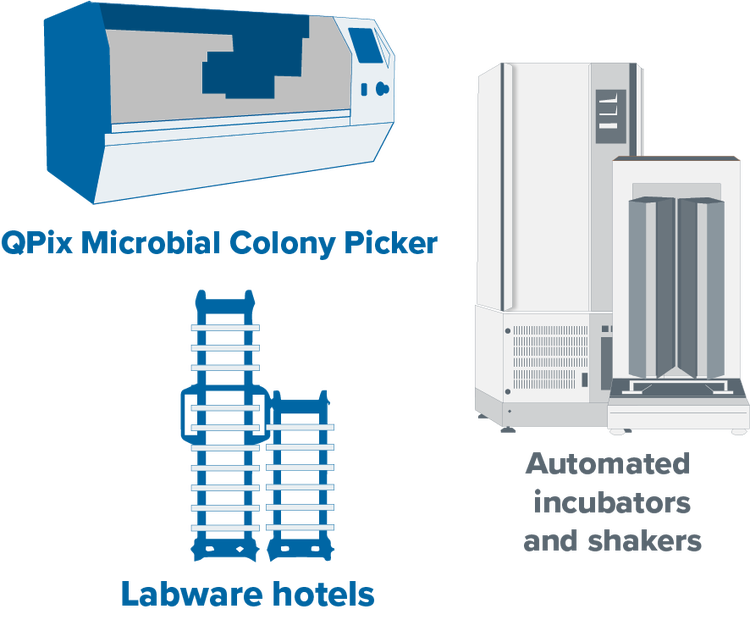
Colony picking and clone selection systems, such as the QPix microbial colony picker, are used in molecular biology research to support the selection and organization of bacterial colonies containing plasmid constructs prior to downstream analysis. These systems are typically applied upstream of measurement steps, where plasmid‑containing samples are prepared for subsequent assay‑based evaluation.
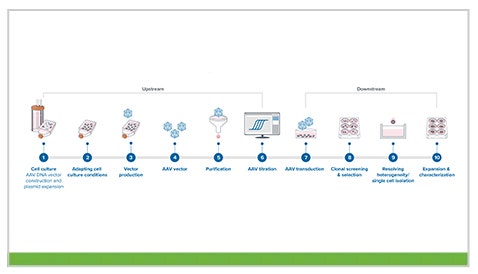
AAV – PLASMIDS
Delve into the intricate AAV-plasmid workflow, a cornerstone in biomanufacturing. The Adeno-Associated Virus (AAV) stands out for its minimal replication and low human immunogenicity. This process covers everything from AAV DNA vector construction and plasmid expansion to the purification and transduction of mammalian cells. Discover the precision steps, from optimizing culture conditions to high-throughput clone screening.
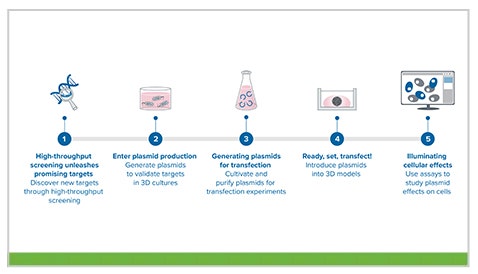
From molecular cloning to 3D cell culture: Integrating plasmids production in organoid screening workflow
Plasmid production in 3D cell models is essential for gene function analysis. The process begins with bacterial cultivation and culminates in gene integration into 3D cultures. Through plasmids, researchers examine tissue morphogenesis, organoid growth, and potential therapeutic targets. This workflow offers profound insights into 3D tissue development and the nuances of biomedical research. Dive deeper for a detailed perspective.
Applications and methods for the plasmid DNA manufacturing
FAQs
What are plasmids used for in molecular biology research?
Plasmids are used in molecular biology research as carriers of genetic material, enabling applications such as gene cloning, gene expression studies, and genome modification research. They are commonly introduced into host cells to study gene function and generate measurable biological outputs.
How are plasmids typically measured in research workflows?
Plasmid‑based samples are commonly evaluated using absorbance‑, fluorescence‑, or luminescence‑based measurements. These approaches allow researchers to assess nucleic acid concentration, reporter gene expression, or assay signals generated from plasmid‑encoded systems.
What measurement methods are used to analyze plasmid DNA?
Measurement methods used in plasmid research include absorbance for estimating DNA concentration and purity, fluorescence for detecting labeled or reporter signals, and luminescence for measuring enzymatic or reporter activity in assay‑based applications.
Why are plasmids used in laboratory research?
Plasmids are used in laboratory research as tools for introducing and studying genetic material in host cells. They enable controlled investigation of gene function, gene expression, and molecular interactions by carrying specific DNA sequences that can be replicated and analyzed in experimental systems.
What measurements are common in plasmid-based assays?
Common measurements in plasmid‑based assays include absorbance‑based estimation of DNA concentration, fluorescence‑based detection of reporter signals, and luminescence‑based measurement of enzymatic or reporter activity. These approaches are used to evaluate plasmid‑derived signals in a range of experimental formats.
How are plasmid experiments analyzed?
Plasmid experiments are analyzed by interpreting measurement signals generated during assays, such as optical or biochemical outputs associated with plasmid‑encoded activity. These data are evaluated in the context of the experimental design to understand gene expression, sample characteristics, or assay performance.
Latest Resources
Automated workflow for Plasmid Production
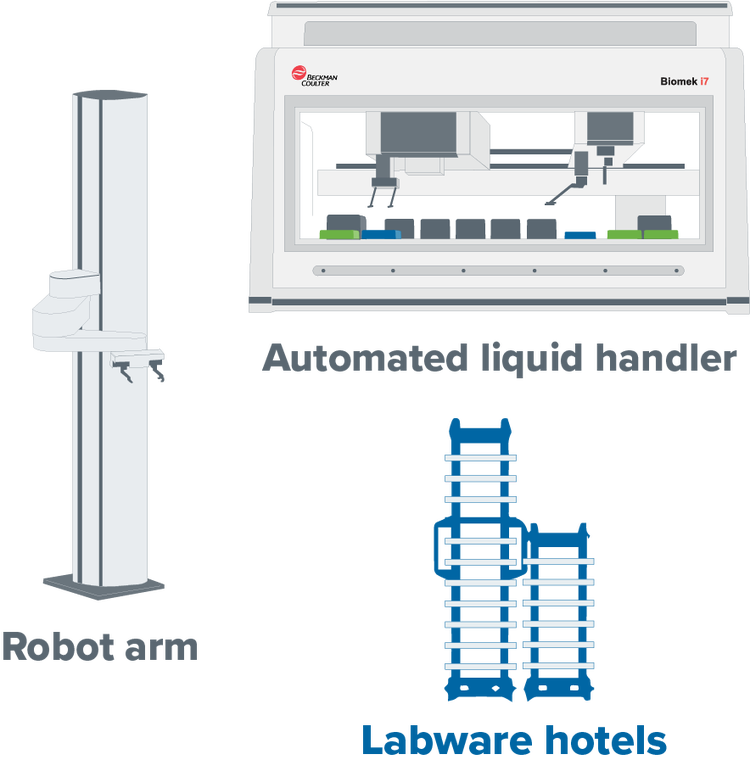
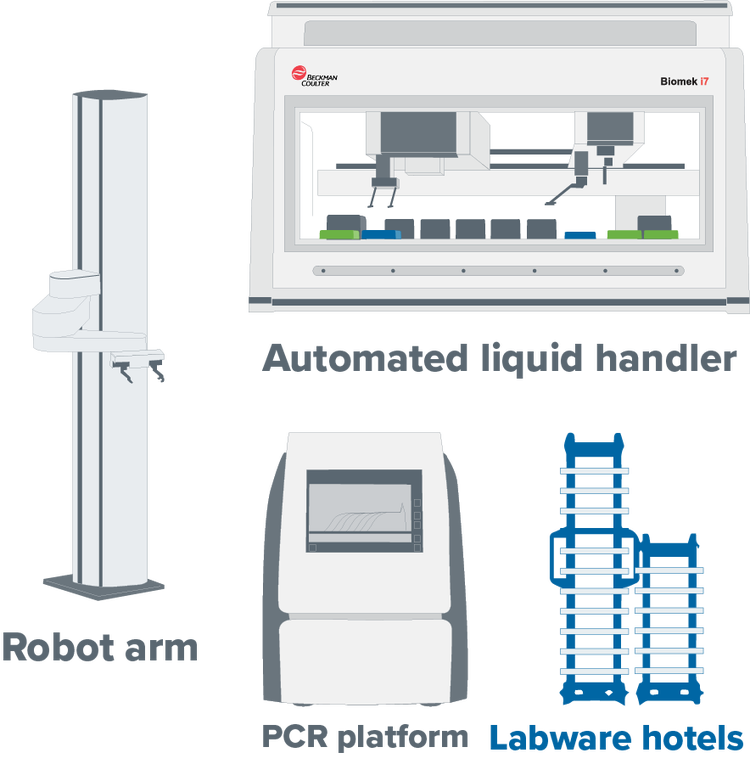
In plasmid DNA manufacturing, the target gene is key for molecular cloning efficiency. Our lab automation solutions enhance your plasmid cloning workflow, from DNA isolation to colony picking. We tailor plasmid production systems for current and future biotechnology needs. With expertise in molecular cloning techniques, we integrate top technology into your process. We provide ongoing support, ensuring alignment with evolving plasmid production demands.
Workflow: Plasmid Production
Assembly
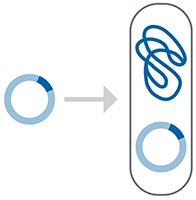
Target gene (gene of interest) is ligated into a vector with desirable characteristics, forming a recombinant plasmid. This can be done via multiple techniques, including Gibson Assembly or Golden Gate Assembly.
Transform
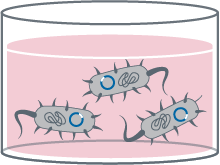
The ligation products are introduced into competent bacterial cells, allowing microbial uptake of the engineered plasmid and production of multiple plasmid copies.
Colony Plating & Screening
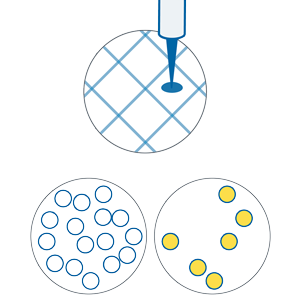
Microbial cells are spread onto solid agar plates to grow into individual colonies, which are then screened to identify those with the desirable characteristics for picking.

QPix Microbial Colony Picker
Colony Picking
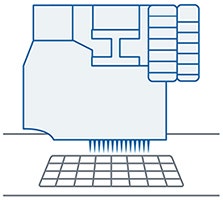
Once desirable colonies have been identified, they can be picked from solid agar plates and transferred to liquid media for overnight growth and incubation

Overnight Incubation
Growth plates with liquid media are sealed and transferred to shaking incubators to allow the microbes to divide, producing more copies of the recombinant plasmid.


Mini Prep
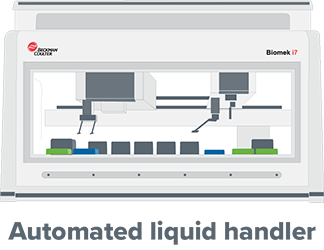
Microbes are lysed to extract the recombinant plasmids. Plasmids are then purified using column or bead-based methods to obtain highly pure DNA
Speak to a specialist
Today about
automating your
plasmid workflow